In the fall of 2009, I was named president of Cub Foods, a hometown grocery chain based in Stillwater, Minnesota, serving shoppers across the Minneapolis-St. Paul area. I built my career at AT&T, IBM, and Pitney Bowes. Big companies, corporate ladders, and familiar terrain.
Grocery retail was not familiar terrain. I had no experience with it. None.
My direct reports knew that better than anyone. Many of them had started their careers as teenagers, stacking cans and working cash registers, and had worked their way up over decades. Two of them had been candidates for the president role I’d just been given. Now they were reporting to an outsider who had never run a single store.
I decided not to pretend otherwise. In one of my first meetings with that team, I named it directly. I acknowledged the grocery experience they had that I didn’t, and the fact that some of them might have real reservations about me being there. I shared what I did bring, a background in leading change and transformation, and I told them I was committed to helping each of them get where they wanted to go, including the job I now held.
I can’t say that meeting won everyone over. But it put the truth on the table instead of leaving it to sit in the room unspoken.
Then my CEO assigned me a peer mentor. A 20 plus year grocery veteran who ran Jewel Osco and had a reputation for turning around underperforming operations, someone who could talk to a cashier and a disgruntled customer with the same ease. His first piece of advice caught me completely off guard.
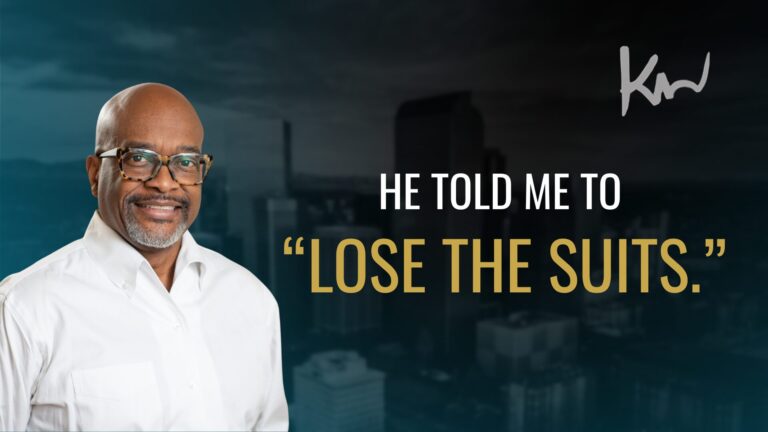
“Dude, lose the suits. You’re not in New York City anymore. Go to JCPenney and grab some khakis and sweater vests. If you want to lead grocery people in Minneapolis, you have to relate to them. A suit sends an ‘I am above you’ message, when the one you really want to send is, ‘I am with you.'”
He’d clocked something about me before I’d clocked it myself. My entire career had been spent around corporate types. Designer clothes, advanced degrees, the visible markers of success. My new team was almost entirely hourly associates living modest lives, most without a college degree. They didn’t need to see my resume. They needed to see that I understood their world, not that I expected them to understand mine.
They don’t care what you know. They need to know that you care.
I’ve carried that line into every leadership role since. It’s easy to lead people who already look like you, think like you, come from where you came from. The real test is whether you can lead people who don’t, without making them do all the adjusting.
That first year at Cub Foods taught me more about listening than any leadership seminar ever had.
It’s one of the chapters I go into in more depth in Uncommon Leadership, including what came out of the 360-degree reviews I put in place once I’d settled in, and what I learned about my own blind spots in the process.
__________________________________________________________________
Uncommon Leadership: A blueprint for restoring trust, integrity, and people-centered leadership. AVAILABLE NOW at Barnes and Noble, Amazon and Walmart.
Keith Wyche is a keynote speaker and former Fortune 500 executive focused on building trust, strengthening culture, and leading with integrity.